Marine vessel repair helps maintain the performance and reliability of boats and ships by addressing issues such as structural damage, engine problems, and corrosion. Regular maintenance and repair are important for keeping vessels in proper working condition.
Repair requirements can vary greatly between small boats and large vessels. Small boats usually involve simpler repairs, while large commercial vessels require complex repair procedures, specialised equipment, and larger repair teams. Understanding these differences helps vessel owners choose the right repair solutions.
Repair Needs and Complexity
The scope and complexity of marine vessel repair can vary greatly depending on the vessel’s size, systems, and operational requirements.
- Small boats usually require localised repairs, while large vessels involve extensive structural and system-level repairs.
- Common small boat repairs include minor engine servicing, fibreglass restoration, electrical troubleshooting, and hull cleaning, whereas large vessels often require marine engine overhauls, electrical and automation system repairs, and hydraulic and deck equipment servicing.
- Repair work for small boats is generally less complex, whereas large-vessel repairs require advanced technical planning and engineering support.
- Complexity of repair increases significantly with vessel size, cargo capacity, and operational requirements.
Dry Docking and Repair Environment
The repair environment and docking requirements differ significantly between small boats and large vessels.
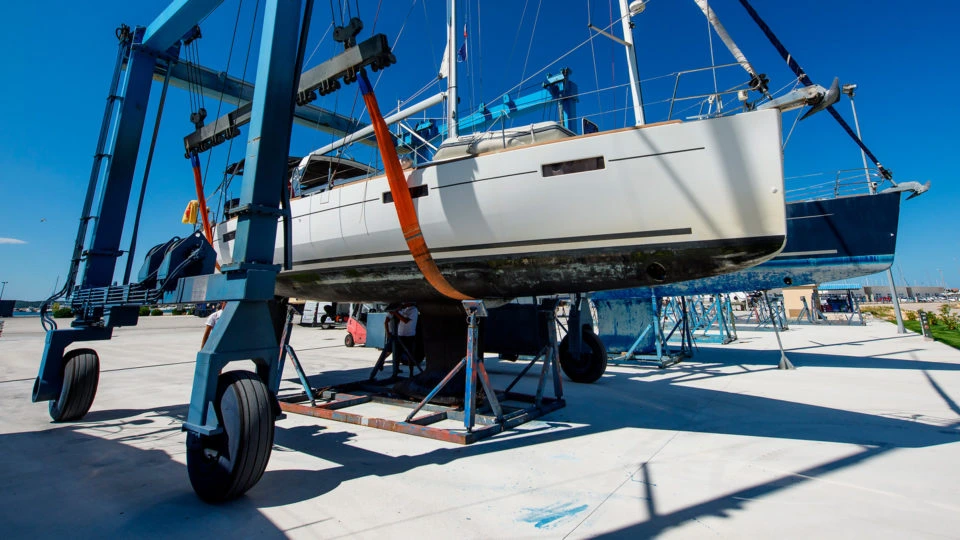
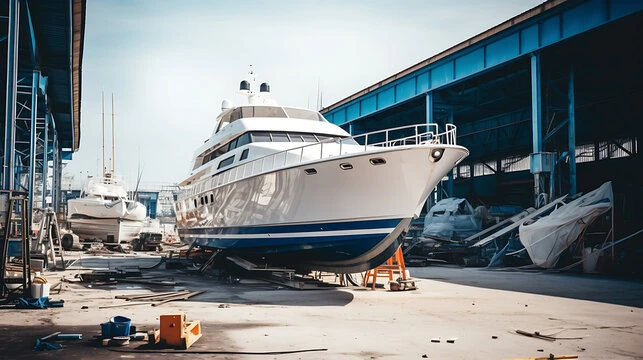
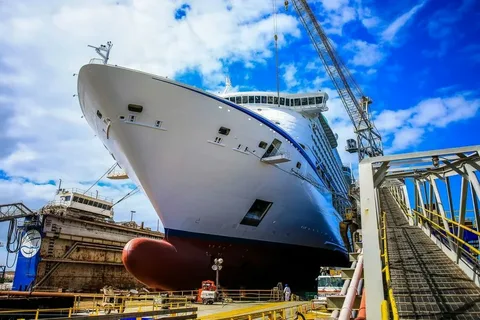
- Small boats are commonly repaired at marinas, slipways, on trailers, or while afloat, while large vessels usually require dry docks, floating docks, or graving docks.
- Repair work for small boats generally requires limited space and equipment, whereas large-vessel repairs involve extensive workspace planning and heavy machinery.
- Large-scale marine vessel repair often requires cranes, scaffolding, lifting systems, and specialised docking infrastructure.
- Safety procedures for small boats are usually less complex, while large vessels require strict safety measures, enclosed-space permits, and regulated work zones.
- The size and operational complexity of large vessels repair planning more time-consuming and technically demanding.
Workforce and Technical Expertise
Small boat repairs are usually handled by smaller teams with general marine repair skills and basic technical expertise. These repairs are often completed by local marine mechanics or repair technicians.
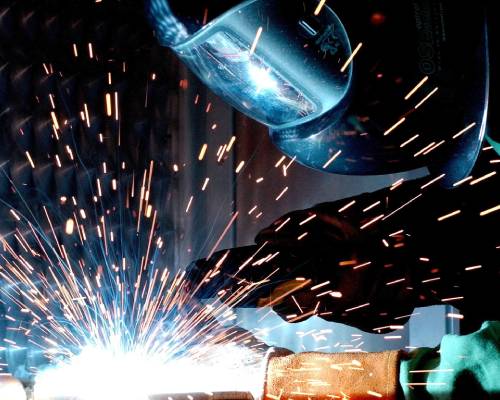
In contrast, large vessel repairs require multidisciplinary teams that include marine engineers, welders, electrical specialists, automation technicians, and naval architects. Commercial vessel repairs also involve engineering supervision and inspections by classification society surveyors to ensure the repair work meets industry and safety standards.
Equipment, Cost, and Repair Scheduling
The equipment, repair costs, and scheduling requirements can vary greatly between small boats and large vessels. Larger vessels typically require advanced technology, higher budgets, and longer repair planning.
| Aspect | Small Boats | Large Vessels |
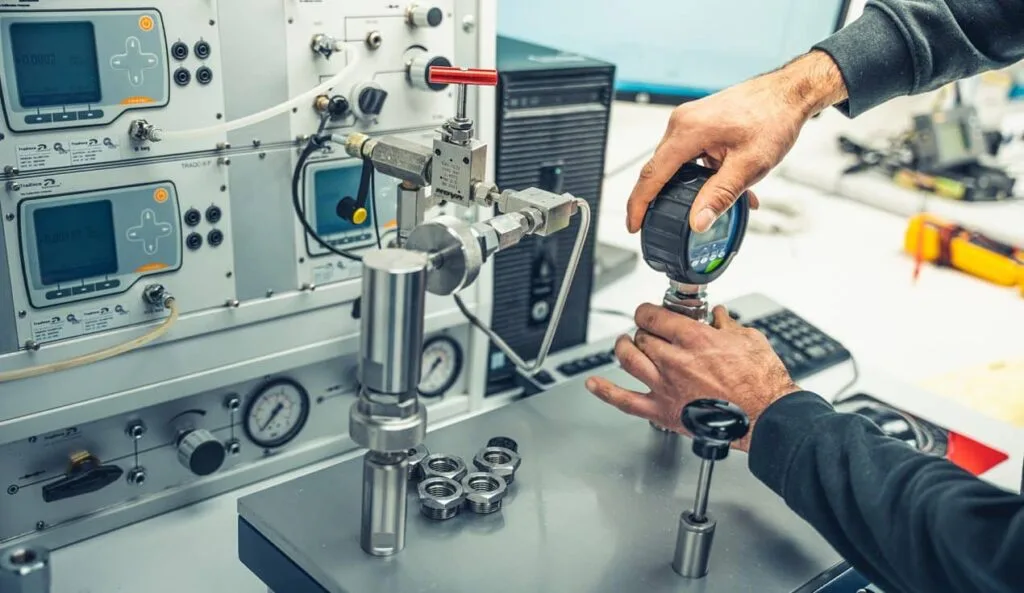
| Equipment Used | Portable tools and handheld equipment | Cranes, hydraulic systems, ultrasonic testing, and industrial machinery |
| Repair Complexity | Simpler repairs | Advanced and large-scale repairs |
| Repair Costs | Lower labor and material costs | High repair and dry-docking costs |
| Repair Time | Shorter turnaround time | Longer repair duration |
| Scheduling | Flexible scheduling | Planned months in advance around surveys and operations |
Regulatory and Compliance Requirements
Regulatory requirements in marine vessel repair vary based on vessel size, operational use, and international compliance standards.
- Small boats usually follow local maritime safety standards with fewer inspections and documentation requirements.
- Large vessels must comply with flag-state regulations, port-state inspections, and classification-society standards.
- Commercial vessels are also required to follow international maritime regulations related to safety and operations.
- Large vessel repairs often require inspection reports, technical approvals, and detailed repair documentation.
- Proper documentation helps maintain compliance, operational reliability, and vessel certification.
Common Types of Repairs
Small Boats
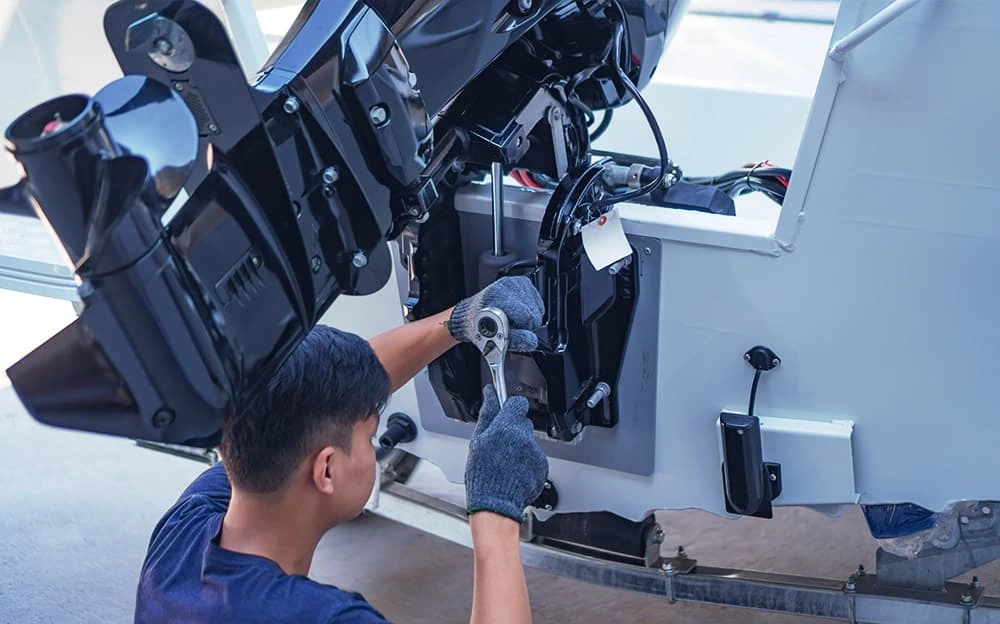
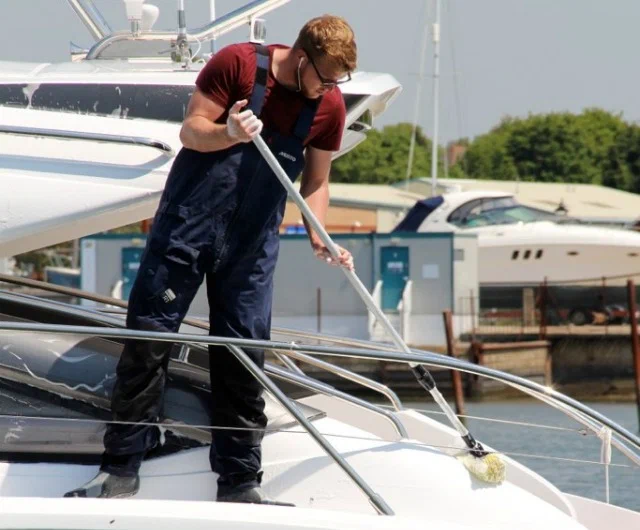
Small boats commonly require repairs such as minor engine servicing, fibreglass restoration, cosmetic repairs, electrical troubleshooting, hull cleaning, and basic hydraulic or deck equipment maintenance. These repairs are generally focused on routine upkeep, performance, and appearance, and are often completed by local marine repair teams.
Large Vessels
Large vessels usually require more advanced marine vessel repair services, including marine engine overhauls, electrical and automation system repairs, hydraulic and deck equipment servicing, dry docking, afloat repairs, and hull coating applications. These repairs are more complex due to the vessel’s operational demands, onboard systems, and compliance requirements.
Operational Impact and Downtime
Repair downtime can affect vessel operations differently depending on the size and purpose of the vessel.
- Small boats usually experience minimal operational disruption during repairs.
- Repairs for small boats are often completed quickly with shorter downtime periods.
- Large vessels can face major financial losses due to delayed cargo schedules and interrupted commercial operations.
- Commercial vessel repairs require careful planning to reduce vessel idle time and operational delays.
- Repair schedules for large vessels are often coordinated with inspections, surveys, and trading operations for better efficiency.
Choosing the Right Marine Vessel Repair Service
Finding the right marine vessel repair provider is important for maintaining vessel performance, safety, and operational reliability. Small boat owners often look for repair facilities that offer quick response times, local accessibility, and cost-effective services, while large vessel operators prioritise dry-dock capacity, engineering expertise, classification approvals, and shipyard experience. Working with Dahya Marine Services can help improve repair efficiency, reduce downtime, and support long-term vessel operations.