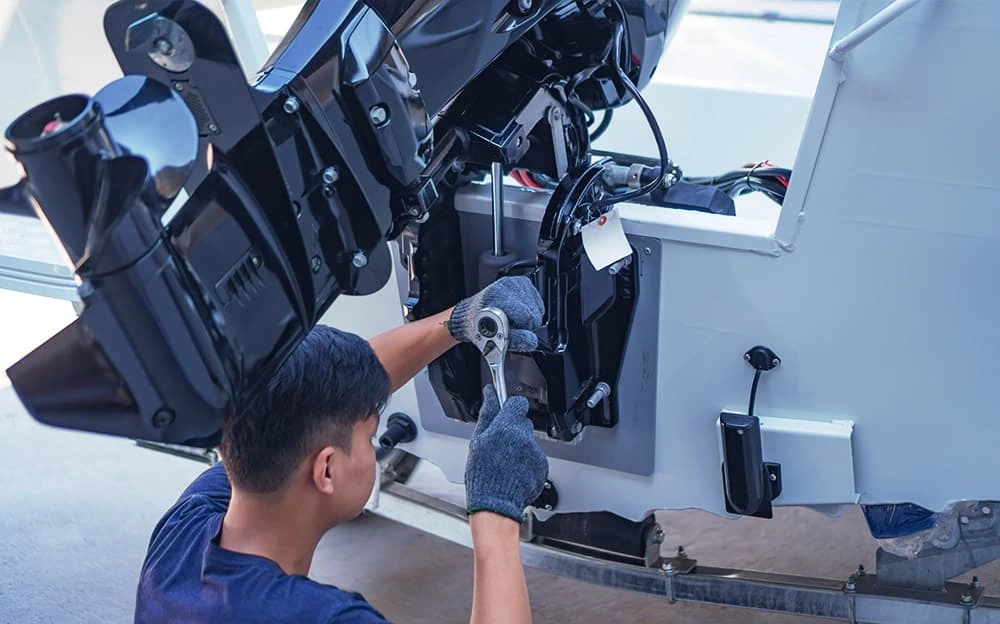
Owning a boat in Dubai offers incredible opportunities for leisure, fishing, and yachting, but the region’s harsh marine environment creates unique maintenance challenges. High temperatures, strong UV exposure, and highly saline waters can accelerate wear on critical vessel components throughout the year. Take a look at this annual boat maintenance checklist to help keep your vessel safe, reliable, compliant, and ready for every journey.
Annual Boat Maintenance Checklist Every Dubai Boat Owner Should Follow
Dubai’s climate places additional stress on marine systems, making annual maintenance essential for vessel reliability, safety, and long term operating costs. Following a structured boat maintenance checklist helps identify potential issues before they develop into expensive repairs.
Engine and Mechanical Systems Checklist
Marine engine maintenance plays a major role in vessel reliability. Annual inspections help improve performance, reduce breakdown risks, and extend the lifespan of important mechanical components.
- Change engine oil and filters: Fresh oil and clean filters help reduce internal engine wear, improve lubrication, maintain engine efficiency, and support reliable operation throughout the boating season.
- Replace fuel filters: Clean fuel filters help prevent contamination from reaching the engine, improving fuel flow, protecting fuel injectors, and reducing the risk of performance issues.
- Inspect cooling systems: Regular cooling system inspections help identify leaks, damaged hoses, restricted water flow, and other issues that may contribute to engine overheating.
- Replace raw water impellers: Raw water impellers wear over time and can fail unexpectedly. Annual replacement helps maintain cooling efficiency and supports proper engine temperature control.
- Flush heat exchangers: Heat exchangers can accumulate salt deposits and debris. Flushing helps maintain cooling performance and reduces stress on marine engine components.
- Check hydraulic steering systems: Hydraulic steering systems should be inspected for leaks, fluid condition, pressure consistency, and smooth steering operation during vessel movement.
- Test throttle and shift controls: Proper throttle and shift control operation helps maintain safe vessel handling, smoother maneuvering, and reliable engine response.
- Replace worn belts and hoses: Aging belts and hoses may crack, weaken, or fail unexpectedly. Routine replacement helps avoid breakdowns and costly emergency repairs.
Hull and Exterior Protection Checklist
The hull remains constantly exposed to saltwater, marine growth, sunlight, and environmental contaminants. Annual inspections help preserve performance, appearance, and fuel efficiency.
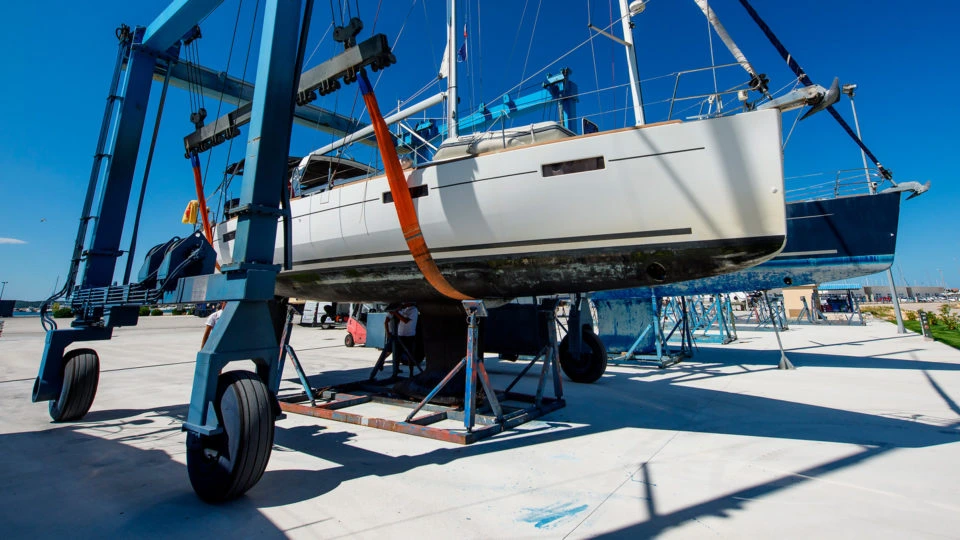
- Hull inspection: Thorough hull inspections help identify cracks, impact damage, surface deterioration, blistering, and structural concerns before they worsen.
- Antifouling paint application: Antifouling paint helps reduce marine growth accumulation, improves vessel performance, and supports better fuel efficiency in Dubai waters.
- Gelcoat inspection: Regular gelcoat inspections help identify fading, cracks, oxidation, and surface defects that may require corrective maintenance.
- UV protection treatment: UV protection treatments help minimize sun damage, reduce fading, and protect exposed surfaces from harsh environmental conditions.
- Propeller inspection: Propeller inspections help identify bends, cracks, corrosion, and damage that may negatively affect vessel performance and fuel consumption.
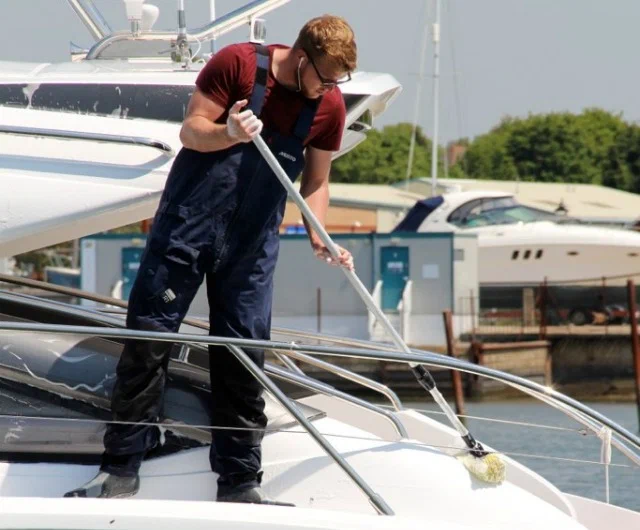
- Hull cleaning: Routine hull cleaning removes marine growth, barnacles, algae, and deposits that can increase drag and reduce efficiency.
- Corrosion checks: Corrosion inspections help identify early deterioration affecting underwater metals, fittings, fasteners, and structural components.
- Teak maintenance: Teak surfaces require cleaning, protection, and treatment to maintain appearance and reduce weather related deterioration.
Safety Equipment Checklist
Safety equipment should be inspected annually to support vessel compliance, emergency preparedness, and passenger safety during every trip.
- Fire extinguisher inspection: Fire extinguishers should be checked for pressure levels, physical condition, accessibility, and expiration requirements.
- Life jacket condition check: Life jackets should be inspected for damage, wear, proper sizing, and overall serviceability.
- Flare expiration review: Expired flares may not function properly during emergencies. Regular reviews help maintain compliance and safety readiness.
- EPIRB testing: EPIRB testing helps confirm emergency beacon functionality and ensures reliable operation when emergency assistance is required.
- VHF radio testing: VHF radio testing verifies communication capability and supports reliable contact during marine emergencies.
- Emergency kit inspection: Emergency kits should be reviewed to confirm supplies remain complete, accessible, and suitable for onboard use.
- Navigation light verification: Navigation lights should be tested to ensure visibility and compliance during low light operations.
- First aid kit review: First aid kits should be checked for expired supplies, missing items, and overall readiness for emergency situations.
Electrical and Plumbing System Checklist
Electrical and plumbing systems support multiple vessel functions and should be inspected regularly to reduce failures and operational disruptions.
- Battery testing: Battery testing helps evaluate charge capacity, performance, and replacement requirements before failures occur.
- Terminal cleaning: Clean battery terminals improve electrical flow, reduce corrosion related issues, and support system reliability.
- Bilge pump inspection: Bilge pump testing confirms proper operation and helps prevent water accumulation inside the vessel.
- Thru hull fitting inspection: Thru hull fittings should be inspected for leaks, damage, and signs of corrosion affecting vessel safety.
- Seacock testing: Seacocks should operate smoothly and seal properly to help prevent unwanted water intrusion.
- Water system checks: Freshwater systems should be inspected for leaks, pressure issues, damaged fittings, and overall functionality.
- Marine AC inspection: Marine air conditioning systems should be evaluated for cooling performance, airflow efficiency, and refrigerant related concerns.
- Corrosion protection review: Corrosion protection systems including sacrificial anodes and zinc anodes should be assessed for effectiveness and replacement needs.
Documentation and Marina Readiness Checklist
Administrative compliance remains an important part of responsible vessel ownership and marina operations.
- Vessel registration verification: Vessel registration documents should remain valid and comply with applicable UAE Maritime Regulations.
- Dock line inspection: Dock lines should be checked for wear, fraying, damage, and overall reliability.
- Fender condition assessment: Properly maintained fenders help protect vessels from docking related impacts and surface damage.
- Service records update: Accurate maintenance records help track servicing history and support future maintenance planning.
- Marina compliance review: Marina requirements and local compliance obligations should be reviewed regularly to avoid operational issues.
- Equipment inventory update: Equipment inventories help ensure important onboard items remain available and serviceable.
- Emergency contact verification: Emergency contacts should be updated to support effective communication during unexpected situations.
Why Boats in Dubai Require More Frequent Maintenance
Dubai’s marine environment is significantly harsher than many other boating destinations. Constant exposure to high salinity, strong sunlight, warm temperatures, and year round vessel usage places additional stress on marine systems, making routine inspections and preventive maintenance increasingly important.
Effects of High Salinity on Marine Components
Saltwater is one of the biggest contributors to marine wear and corrosion. High salinity levels can accelerate deterioration of underwater metals, propellers, shafts, seacocks, heat exchangers, and electrical connections. Without proper marine corrosion prevention measures, vessel owners may face reduced equipment lifespan, increased repair costs, and unexpected system failures.
How Extreme Heat Impacts Boat Systems
Dubai’s intense heat affects nearly every onboard system. Batteries may lose efficiency faster, cooling systems operate under greater stress, marine air conditioning units work harder, and upholstery remains vulnerable to UV damage. Combined with frequent vessel use, these conditions often require more frequent inspections than boats operating in cooler climates.
What Happens If Annual Boat Maintenance Is Delayed?
Delaying annual maintenance often allows minor issues to develop into larger mechanical, electrical, and structural problems that are significantly more expensive to repair.
Common Mechanical Problems That Develop Over Time
• Engine overheating from restricted cooling systems
• Fuel contamination affecting engine performance
• Damaged impellers reducing cooling efficiency
• Corroded components requiring major repairs
• Hydraulic steering performance deterioration
• Increased fuel consumption from hull fouling
Safety Risks Associated With Poor Maintenance
• Bilge pump failures during emergencies
• Electrical faults affecting vessel systems
• Expired safety equipment onboard
• Navigation light failures during operation
• Hull deterioration reducing vessel integrity
• Unexpected breakdowns while at sea
How Much Does Annual Boat Maintenance Cost in Dubai?
Annual maintenance costs vary depending on vessel size, usage frequency, maintenance history, and system complexity. Basic annual boat service typically ranges between AED 1,500 and AED 5,000. Mid sized recreational boat maintenance often falls between AED 5,000 and AED 15,000. Yacht maintenance programs may range from AED 10,000 to AED 50,000 or more. Antifouling services generally cost between AED 2,000 and AED 15,000+, while marine engine servicing can range from AED 1,000 to AED 10,000+, depending on engine type, condition, and servicing requirements. Investing in preventive maintenance is often considerably less expensive than major repairs caused by neglected servicing.
Choosing the Right Marine Maintenance Company in Dubai
Selecting the right marine maintenance company Dubai can significantly impact vessel reliability, safety, and long term operating costs. Choose a provider with experienced marine engineers, fast response capabilities, service coverage across multiple marinas and ports, warranty backed workmanship, and expertise in mechanical, electrical, hydraulic, and structural systems. A well equipped maintenance partner can help reduce downtime, identify issues earlier, and keep your vessel operating safely and efficiently.
Protect Your Vessel Before Minor Issues Turn Into Major Repairs
Annual maintenance is one of the most effective ways to protect vessel performance, safety, and long term value. Regular inspections help identify wear before it develops into costly repairs, while preventive servicing improves reliability and reduces unexpected downtime. Whether you own a recreational boat, fishing vessel, or luxury yacht, following a structured boat maintenance checklist and working with experienced marine professionals can help keep your vessel operating efficiently in Dubai’s demanding marine environment.
Frequently Asked Questions
How often should a boat be serviced in Dubai?
Most boats in Dubai should undergo a comprehensive annual service, with additional inspections throughout the year depending on usage frequency, operating conditions, and vessel type. High salinity and heat often require more frequent maintenance checks.
What is included in an annual boat maintenance checklist?
An annual boat maintenance checklist typically includes marine engine maintenance, hull inspection, antifouling paint evaluation, electrical system testing, bilge pump inspection, safety equipment checks, cooling system servicing, and documentation reviews to maintain vessel reliability.
How does saltwater affect boat maintenance requirements?
Saltwater accelerates corrosion on metal components, affects electrical connections, and increases wear on underwater equipment. Regular cleaning, corrosion protection, zinc anode replacement, and inspections are important parts of marine maintenance in Dubai.
When should antifouling paint be reapplied?
Most vessels require antifouling paint inspection annually. Reapplication frequency depends on vessel usage, water conditions, marina location, and paint type, but many Dubai boat owners schedule antifouling services every 12 to 24 months.
How much does boat maintenance cost in Dubai?
Boat maintenance costs vary by vessel size and servicing requirements. Basic annual servicing may start around AED 1,500, while larger yachts and extensive maintenance programs can exceed AED 50,000 depending on scope and complexity.
What maintenance items do boat owners often overlook?
Commonly overlooked items include zinc anodes, raw water impellers, bilge pumps, emergency equipment, heat exchangers, seacocks, dock lines, and marine electrical connections. Neglecting these components can lead to costly repairs later.
Can I perform annual boat maintenance myself?
Boat owners can perform basic inspections, cleaning, and simple maintenance tasks. However, engine servicing, electrical troubleshooting, hydraulic repairs, compliance inspections, and structural repairs are generally best handled by qualified marine professionals.