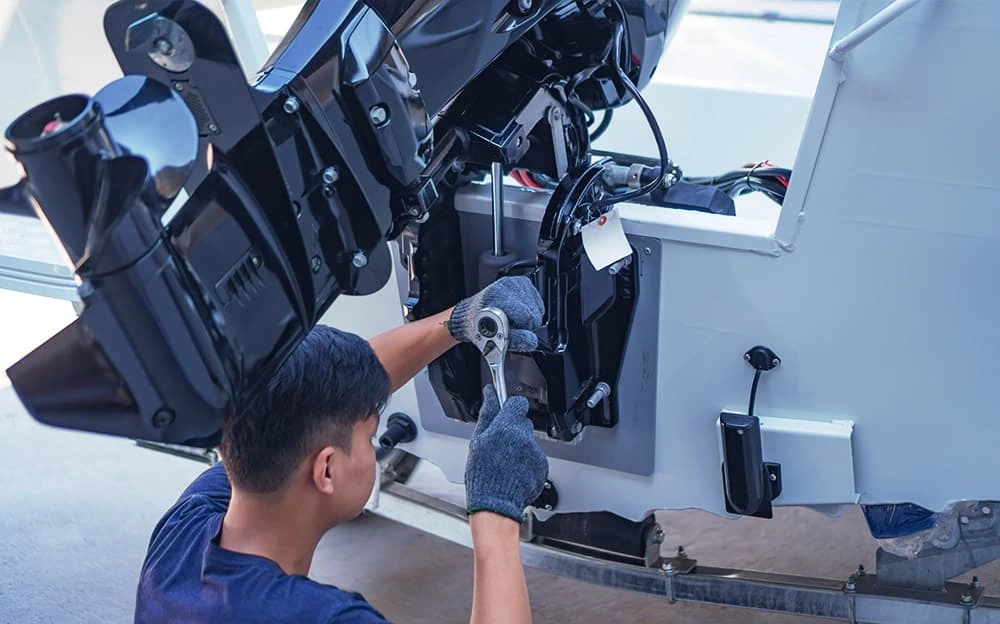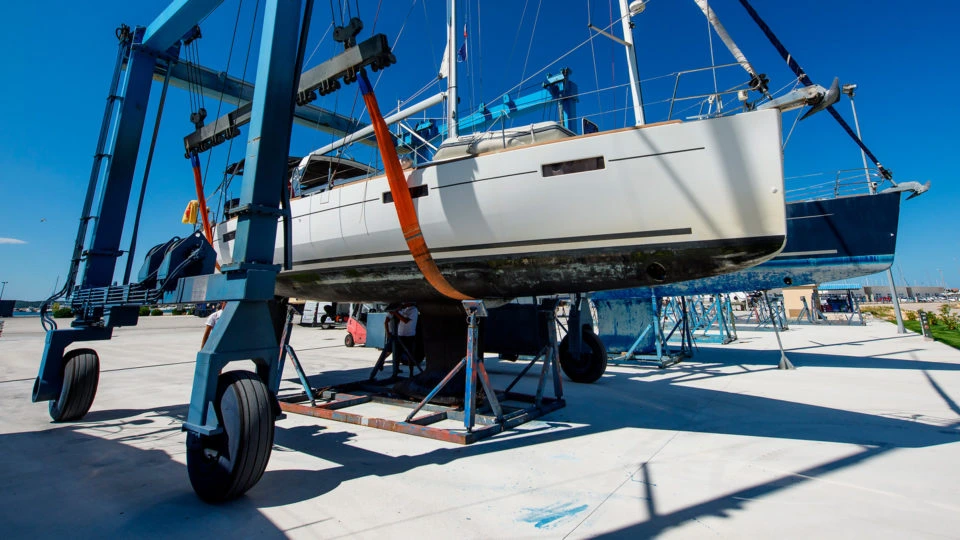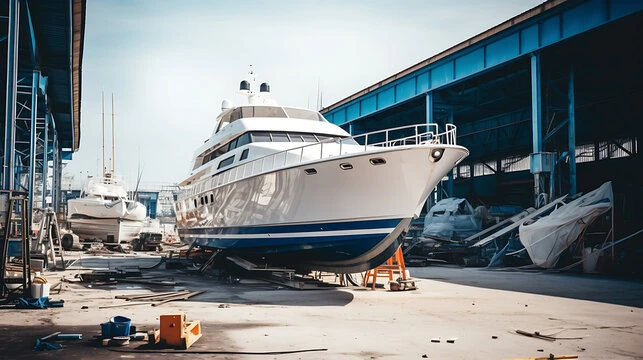
Saltwater is one of the biggest threats to yacht engines. Constant exposure to salt, heat, and moisture slowly damages important engine parts, cooling systems, and electrical connections. Small corrosion issues can quickly turn into serious engine failures if ignored. Regular yacht engine repair and preventive maintenance help protect engine performance, improve reliability, and reduce long term damage risks for yachts operating in saltwater environments.
Why Saltwater Is Dangerous for Yacht Engines
Saltwater damages yacht engines much faster than freshwater because it contains chloride particles that aggressively attack metal surfaces. These particles speed up corrosion inside cooling systems, engine blocks, fuel injectors, and exhaust components. In hot marine environments, salt buildup becomes even more severe, increasing the risk of overheating and engine wear.
Saltwater also creates electrical and galvanic corrosion inside marine engines. When different metals interact in salty conditions, one metal slowly deteriorates to protect another. Salt deposits can block cooling passages, damage aluminum parts, and create electrical failures inside sensors, starters, and wiring systems.
What Happens Inside a Yacht Engine After Saltwater Exposure
Saltwater exposure starts a destructive process inside yacht engines through corrosion, salt crystallization, overheating, and internal contamination. If maintenance is delayed, the damage spreads rapidly across cooling systems, lubrication systems, and electrical components.
Accelerated corrosion and pitting: Saltwater attacks aluminum and steel engine components, creating rust, white powdery deposits, and structural damage inside marine engines.
Salt buildup inside cooling systems: Salt crystals slowly block cooling passages, reducing water flow and increasing engine overheating risks during operation.
Electrolysis damage between metal components: Saltwater creates electrical reactions between different metals, causing rapid deterioration of engine parts and cooling system components.
Oil contamination and lubrication failure: Water entering engine oil creates milky contamination, reducing lubrication and damaging internal bearings and moving parts.
Exhaust system corrosion: Salt and heat severely damage exhaust manifolds and elbows, increasing leakage risks and internal water intrusion.
Electrical system failures: Saltwater damages wiring connectors, sensors, alternators, and starters, causing shorts and unstable engine performance.
Internal engine seizure: Saltwater entering cylinders can rust piston rings and internal walls, eventually causing complete engine seizure.
Signs Your Yacht Engine May Have Saltwater Damage
- Engine temperature rises unusually fast.
- White salt residue appears around engine components.
- Reduced engine power and fuel efficiency become noticeable.
- Rust appears on metal surfaces and electrical connectors.
- Unusual engine noise or vibration starts developing.
- Water leaks appear near cooling system components.
- Milky engine oil appears during regular inspection.
- Corrosion buildup forms around battery terminals frequently.
Can Saltwater Ruin a Yacht Engine Completely
Yes, saltwater can completely destroy a yacht engine if maintenance is ignored for long periods. Internal corrosion, blocked cooling systems, rusted cylinders, and overheating can eventually lead to total engine failure. In high temperature marine environments, salt buildup accelerates metal deterioration even faster. Early yacht engine repair, regular inspections, and preventive servicing help avoid expensive engine rebuilds and severe mechanical failures caused by saltwater intrusion.
How to Prevent Saltwater Damage in Yacht Engines
- Flush engines with freshwater after every trip to remove harmful internal salt deposits.
- Apply marine grade anti corrosion sprays regularly on exposed metal engine components safely.
- Inspect cooling systems frequently for salt buildup, restricted flow, and overheating warning signs.
- Replace damaged hoses and seals immediately to prevent dangerous internal water contamination issues.
- Schedule routine marine engine servicing regularly for reliable long term yacht engine performance.
- Keep engine compartments dry and ventilated to reduce moisture related corrosion formation significantly.
- Use high quality marine lubricants protecting engines against saltwater contamination and excessive internal wear.
- Clean visible salt residue frequently from engine surfaces preventing faster metal deterioration problems.
- Inspect electrical wiring and connectors often preventing corrosion related electrical system failures completely.
- Monitor engine temperature carefully during trips detecting hidden cooling system problems before worsening.
How Often Should Yacht Engines Be Serviced in Saltwater Areas?
Yacht engines operating in saltwater conditions should generally be serviced every 100 hours of use or at least once every year. In hotter coastal environments with frequent yacht usage, inspections every six months help identify corrosion, cooling system blockage, and electrical damage before major failures occur. Engines exposed to heavy saltwater conditions may require more frequent oil changes, cooling system flushing, and preventive marine engine inspections for reliable long term performance.
Why Professional Yacht Engine Repair Is Essential to Avoid Damage
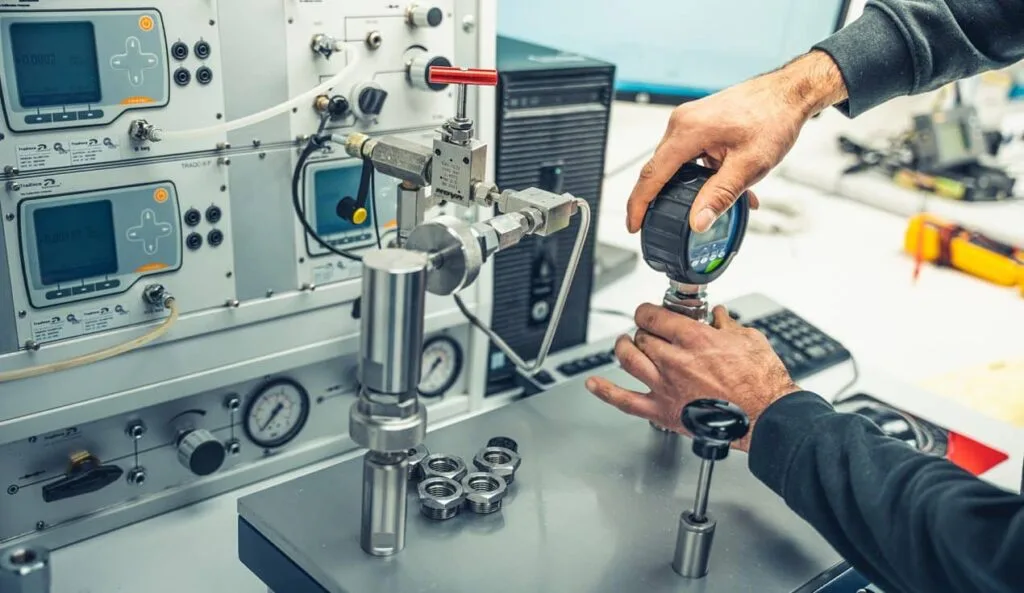
Professional yacht engine repair helps prevent serious saltwater damage through advanced diagnostics, internal cleaning, corrosion treatment, and cooling system servicing. Marine technicians identify hidden issues that are often missed during regular visual inspections.
- Comprehensive cooling system cleaning: Professional servicing removes hidden salt deposits from heat exchangers, coolers, and internal water passages before overheating occurs.
- Accurate corrosion management: Marine technicians properly manage sacrificial anodes and corrosion protection systems to reduce metal deterioration risks.
- Advanced engine diagnostics: Specialized diagnostic tools detect early signs of saltwater damage before major engine failure develops.
- Internal flushing and protection procedures: Professional flushing methods clean difficult internal areas affected by saltwater contamination and corrosion buildup.
- Reliable operating temperature control: Expert servicing ensures thermostats, water pumps, and cooling components operate correctly under harsh marine conditions.
Saltwater Maintenance Checklist for Yacht Owners
- Flush the engine with freshwater after every trip
- Inspect cooling systems regularly for salt buildup
- Check engine temperature during operation
- Clean visible salt residue from engine surfaces
- Inspect electrical wiring and battery terminals
- Replace worn hoses and damaged seals quickly
- Monitor engine oil for water contamination
- Inspect sacrificial anodes for corrosion levels
- Lubricate metal fittings and moving components
- Keep engine compartments dry and ventilated
- Schedule preventive yacht engine servicing regularly
- Watch for unusual engine noise or vibration
Protect Your Yacht Engine Before Saltwater Damage Increases
Saltwater damage becomes far more expensive when early warning signs are ignored. Regular inspections, cooling system cleaning, corrosion protection, and preventive yacht engine repair help maintain engine performance and reliability for longer periods. Consistent maintenance reduces the risk of overheating, internal corrosion, and complete engine failure. Professional servicing also helps identify hidden issues early, protecting your yacht from major operational problems and costly long term repairs.